Deep Cleaning
Why Fall Is the Best Time for a Deep Cleaning in NJ
Fall deep cleaning NJ homeowners schedule can help remove summer dust, pollen, and buildup while preparing the home for a busier indoor season.
Blue Diamond Cleaning Solutions
Spring in New Jersey brings warmer temperatures, blooming trees, and longer days—but it also marks the start of pollen season. For homeowners across North Jersey, from Paramus to Fort Lee, this seasonal shift often comes with an unexpected challenge: keeping indoor spaces clean and free from allergens.
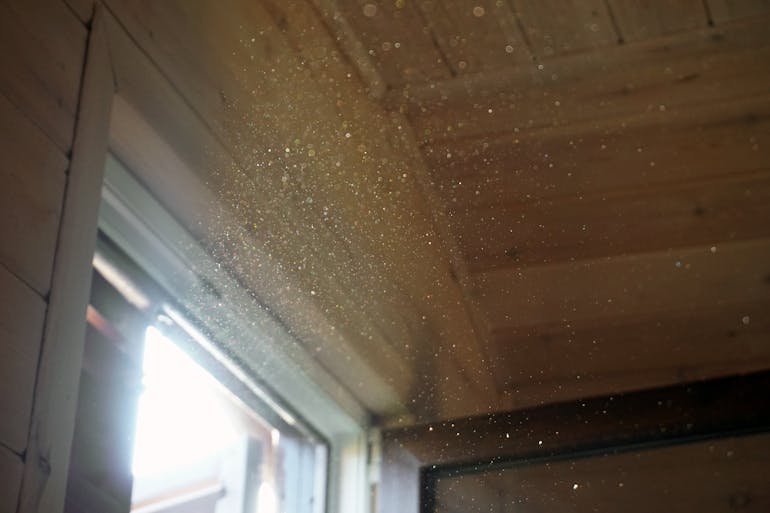
Pollen doesn’t stay outside. It enters your home through open windows, attaches to clothing, and gets tracked in on shoes and pets. Once inside, it settles on surfaces, circulates through the air, and builds up in areas that are often overlooked during routine cleaning.
Understanding how pollen affects your home—and how to clean it properly—can make a significant difference in your comfort, health, and overall indoor environment.
Pollen particles are incredibly small and lightweight, which allows them to travel easily through the air and penetrate indoor spaces. In suburban areas like Upper Saddle River or Kinnelon, where trees and green spaces are abundant, pollen levels can become especially intense during peak spring weeks.
Once inside your home, pollen doesn’t just settle on visible surfaces. It embeds itself in fabrics, carpets, and even HVAC systems. This can lead to ongoing exposure, even when windows are closed.
Many homeowners notice symptoms like sneezing, itchy eyes, or congestion without realizing their indoor environment is part of the problem. Without proper cleaning, pollen continues to circulate, reducing indoor air quality and making it harder to fully enjoy the season.
One of the biggest misconceptions about pollen is that it only affects obvious areas like windowsills. In reality, it spreads throughout your home and settles in places that are not cleaned as frequently.
Floors and entryways are the first points of contact. In towns like Lodi or Northvale, where daily commuting increases foot traffic, pollen is constantly brought inside and distributed across surfaces.
Soft materials such as rugs, upholstered furniture, and curtains act as traps for pollen particles. These surfaces hold onto allergens much longer than hard surfaces, making them a key focus during spring cleaning.
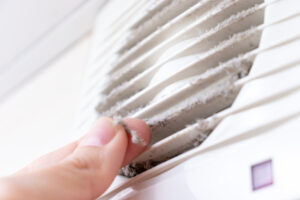
Air vents and filters also play a major role. When HVAC systems circulate air, they can spread pollen throughout the home if filters are not cleaned or replaced regularly. This creates a cycle where allergens are continuously redistributed rather than removed.
Routine cleaning helps maintain appearance, but during pollen season, it often isn’t sufficient to address deeper contamination. Standard dusting or quick vacuuming may remove surface-level debris, but it doesn’t eliminate the particles embedded in fabrics and hidden areas.
This is where the difference between regular cleaning and deep cleaning becomes important. A more thorough approach targets buildup that accumulates over time, especially in high-use areas and soft materials.
For many homeowners in North Jersey, scheduling a seasonal deep cleaning during peak pollen months helps reset the home environment. It removes allergens more effectively and makes ongoing maintenance easier.
Managing pollen inside your home requires a combination of cleaning techniques and preventative habits. Small adjustments in your routine can significantly reduce how much pollen enters and lingers indoors.
Keeping windows closed during high pollen days is one of the most effective first steps, especially in the early morning when pollen counts are highest. In areas like Mendham and Paramus, where tree density is higher, this can make a noticeable difference.
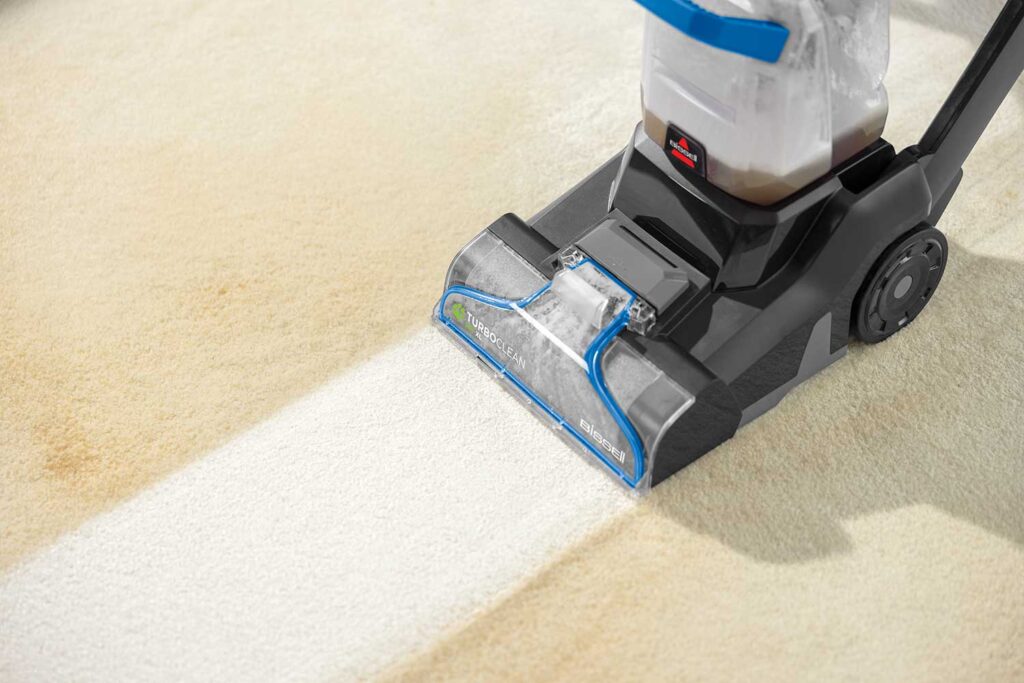
Regular vacuuming with a high-quality filter is essential for removing pollen from carpets and rugs. However, consistency matters more than frequency alone—cleaning must reach areas that are often skipped, such as under furniture and along baseboards.
Wiping down surfaces with damp cloths instead of dry dusting helps capture pollen rather than spreading it into the air. This is particularly important for bedrooms, where clean air has a direct impact on sleep quality.
Laundry also plays a role. Clothing, bedding, and even curtains should be cleaned more frequently during pollen season, as they collect particles throughout the day.
While daily habits help control pollen, achieving a truly low-allergen environment often requires a deeper level of cleaning. Professional cleaning services are designed to address the areas that are most difficult to manage with standard routines.
From detailed floor care to thorough cleaning of upholstery and high-touch surfaces, professional teams use techniques that remove buildup more effectively. This is especially valuable for households with allergy sufferers or busy schedules.
In both residential and apartment settings across North Jersey and New York, services like deep cleaning or recurring regular cleaning help maintain results throughout the season. For rental properties or shared spaces, this can also improve overall comfort for occupants.
Pollen season is a natural part of life in New Jersey, but its impact on your home doesn’t have to be overwhelming. With the right approach, you can reduce allergens, improve air quality, and create a more comfortable living space for your family.
By understanding where pollen accumulates and adopting more effective cleaning strategies, you not only protect your home but also enhance your day-to-day well-being.
If you’re looking to fully refresh your home this spring, Blue Diamond Cleaning offers professional cleaning services tailored to North Jersey homes. Request a quote today and enjoy a cleaner, healthier space all season long.
Fall deep cleaning NJ homeowners schedule can help remove summer dust, pollen, and buildup while preparing the home for a busier indoor season.
Discover the hidden dirt after summer that many homeowners overlook, from dusty vents and baseboards to buildup in kitchens and bathrooms.